
I sold the first pot with the name East Fork stamped onto the bottom 15 years ago. A couple I had met during my second apprenticeship was passing through Asheville and emailed to ask if I had any pots ready for sale. I set the pots up on a few rough sawn pieces of pine boards on saw horses and they picked a few and loaded them into their car and drove away.
I remember the pots clearly, sitting in front of the giant kiln that my friend Raivo had finished in spring the year before. I had then built the kiln, set up the small workshop and got to work.
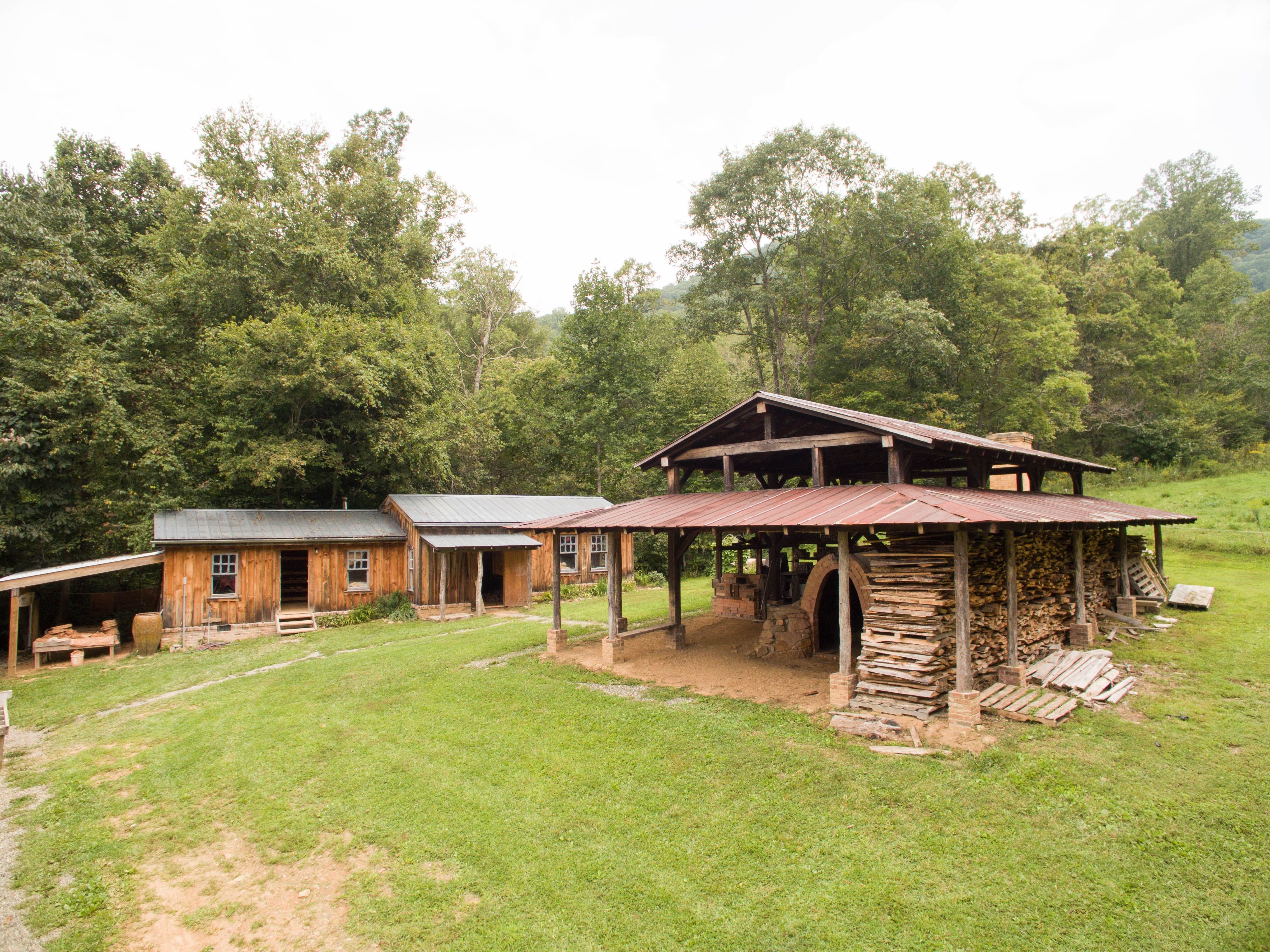
East Fork started here, in this dark and gloomy little holler outside of Asheville, on an old tobacco farm with a ramshackle farmhouse that had been forgotten for many years.
I had finished three years of formal apprenticeships, learning to make pots in a traditional way: thrown quickly and precisely in large numbers, and fired in wood-kilns the size of school buses. I was ready to go out on my own.
Just a few months after moving onto the farm I met Connie, bright eyed, beautiful, full of life and excitement. She was from a big, rambunctious Mexican Irish family in the San Fernando Valley, a stark contrast to my own serious and brooding nature.
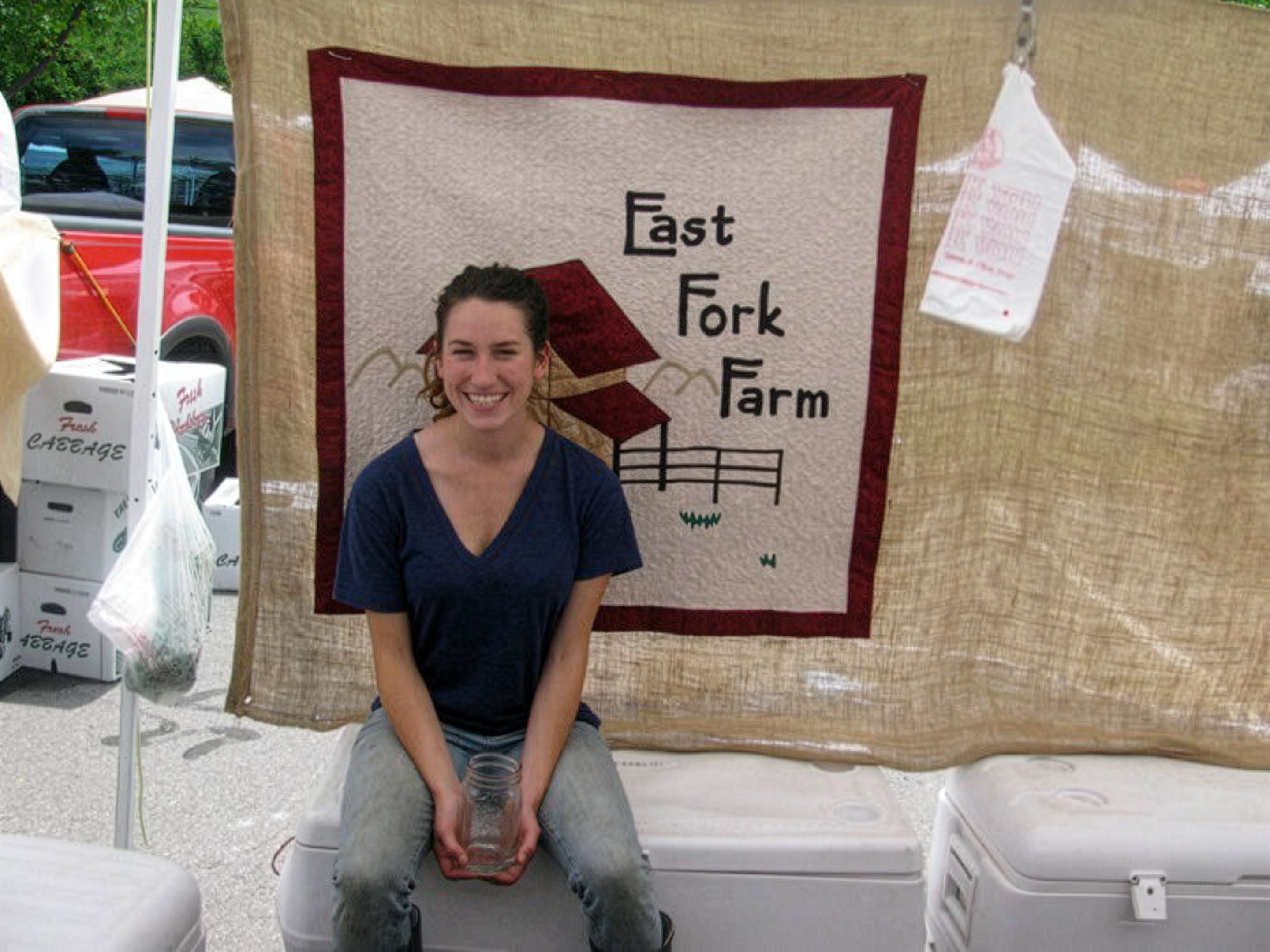
She watched me sketch the kiln out on paper and had no idea what a wood kiln was, or that someone could make a life of making pottery.
In the early days, collectors would drive to the pottery, we would clean up the workshop and kiln and set up the wares, almost still warm from the kiln. By 8 in the morning a small line would have formed outside the workshop and at 9 we would open the doors.
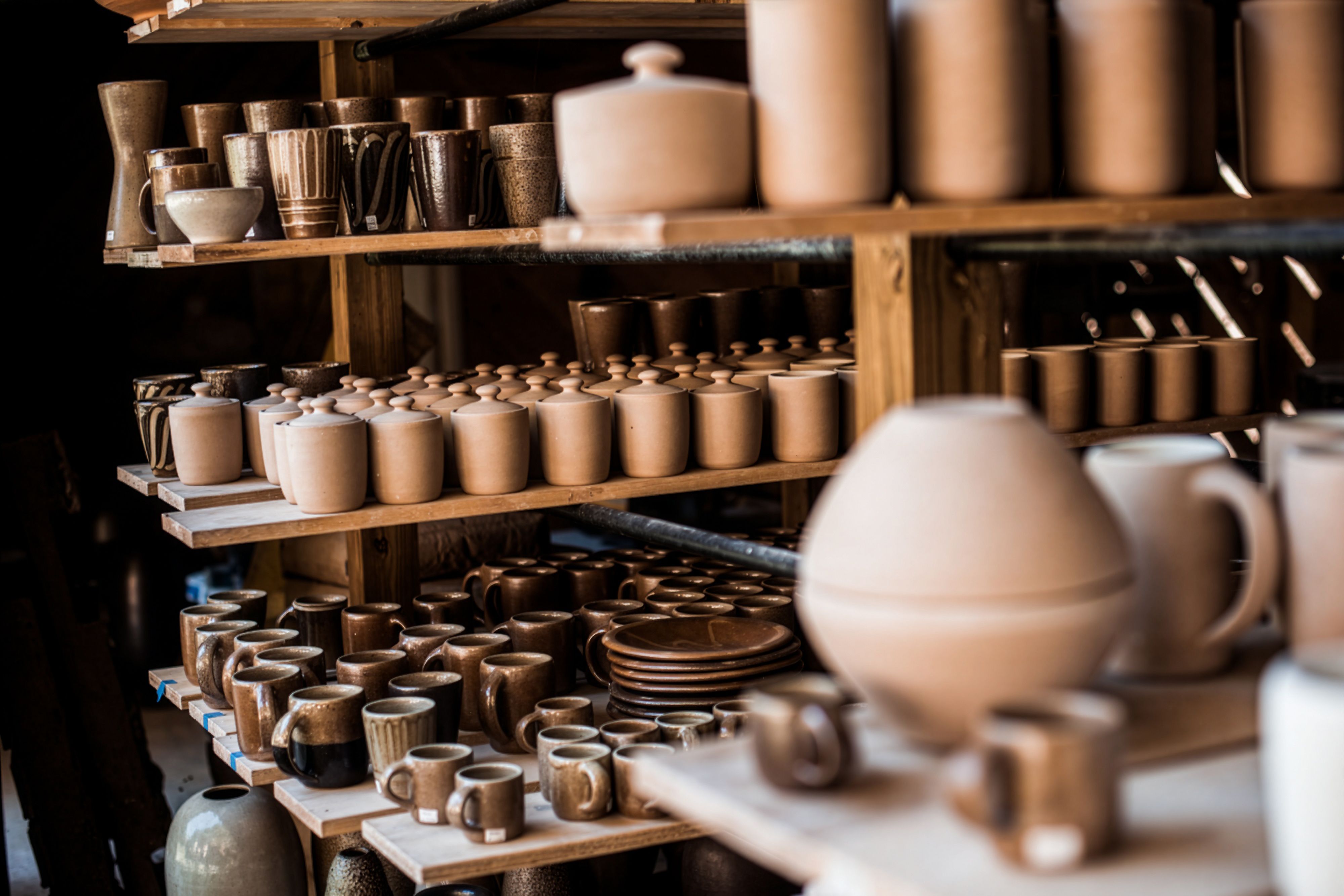
Life went on like this for a few years and it could have for much longer. Between the kiln openings I would pick up an occasional gallery show, and we would drive truck loads of pottery to craft shows across the southeast, listening to stories from the old timers about how good it was way back when.
The business grew slowly, I hired an apprentice, we tended a garden and had some pigs, and it was a relatively simple existence.
In early 2013 a friend who had just finished their own apprenticeship came to visit and asked what I thought about working together. That spring we exchanged a series of letters, hand written, over the course of several months, and as the old apple tree outside the farm house began to bloom the seed of a new East Fork slowly took root.
John Wrote:
“As for big picture stuff–I’ve lately been preoccupied with this “East Fork Housewares” idea, thinking of ourselves (and marketing ourselves) as high designers/craftsmen. Designers whose aesthetic is informed by a uniquely rigorous training in traditional production methods, by an intimate knowledge of the material. If we can translate that aesthetic into a larger scale production, I think we’d really have something. We’re doing something relevant to our modern culture, they just don’t know it yet.”
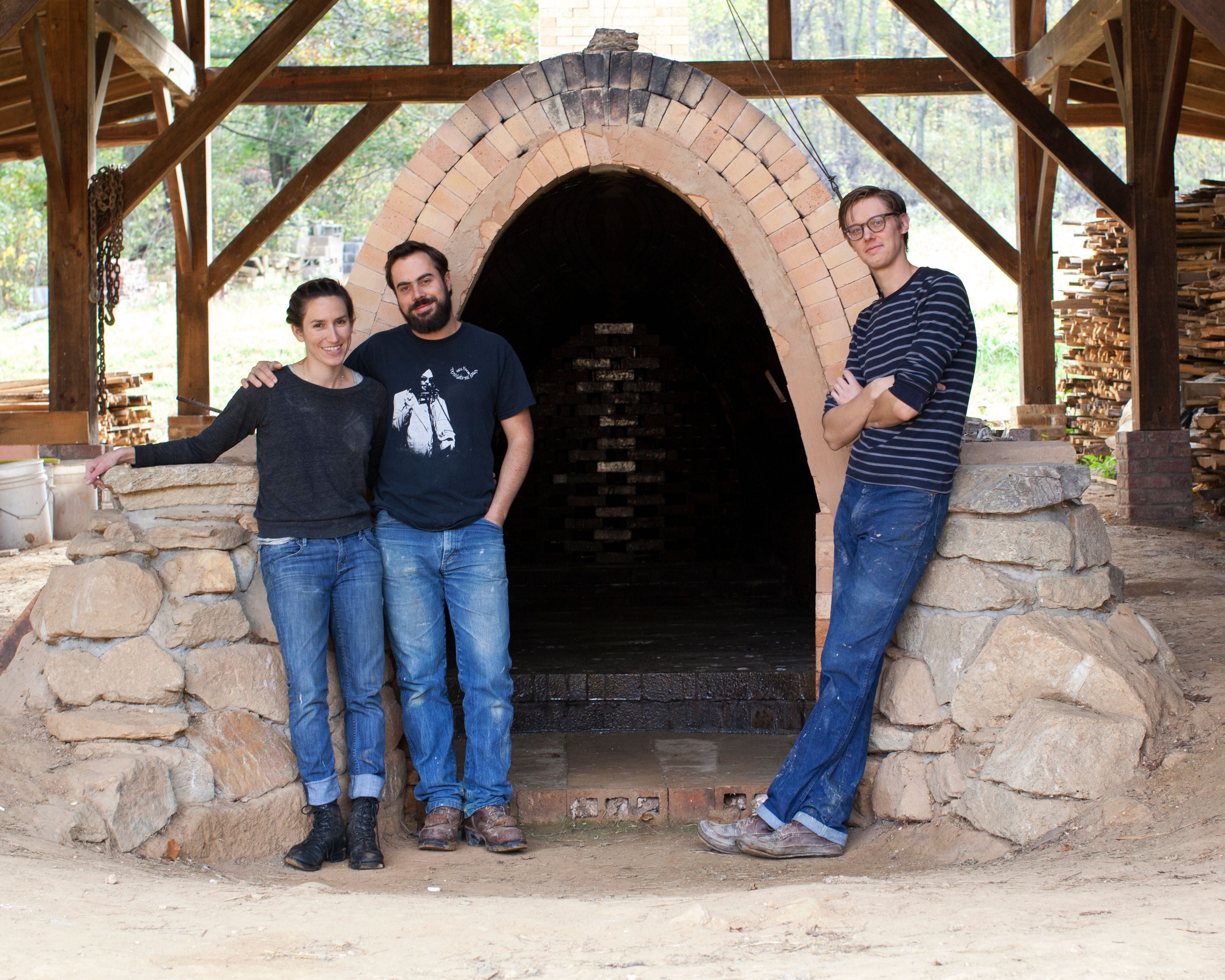
John drove up from the piedmont for a weekend and the three of us spent a few days sitting around our wood stove in the little cabin dreaming. He moved to Asheville a few months later, Connie started an Instagram account and began putting together our email newsletters, we built a website and started putting pots on it for sale. John and I made pots and we fired the wood-kiln, but we knew something was going to have to change, we just didn’t know exactly what.
As we worked away in our little holler something started happening all around us: Ceramics was having a moment. Kids our age were getting written up in T Magazine and the LA Times after their Instagram accounts blew up. We had dedicated our life to our craft, we just needed to translate that to a new audience.
We started thinking about what a new line would look like: simple, undecorated, standardized and we began making pots for the wood kiln that were devoid of the beautiful surface decoration we were known for.
We built a business plan and presented it to a bank, and put up everything we had as collateral to buy a small gas kiln with a computer that controlled the firing. We installed it and made a few simple matte glazes in bright colors. Going from the wood-fired kiln to that first little gas kiln was like going from a Conestoga Wagon to a Waymo.
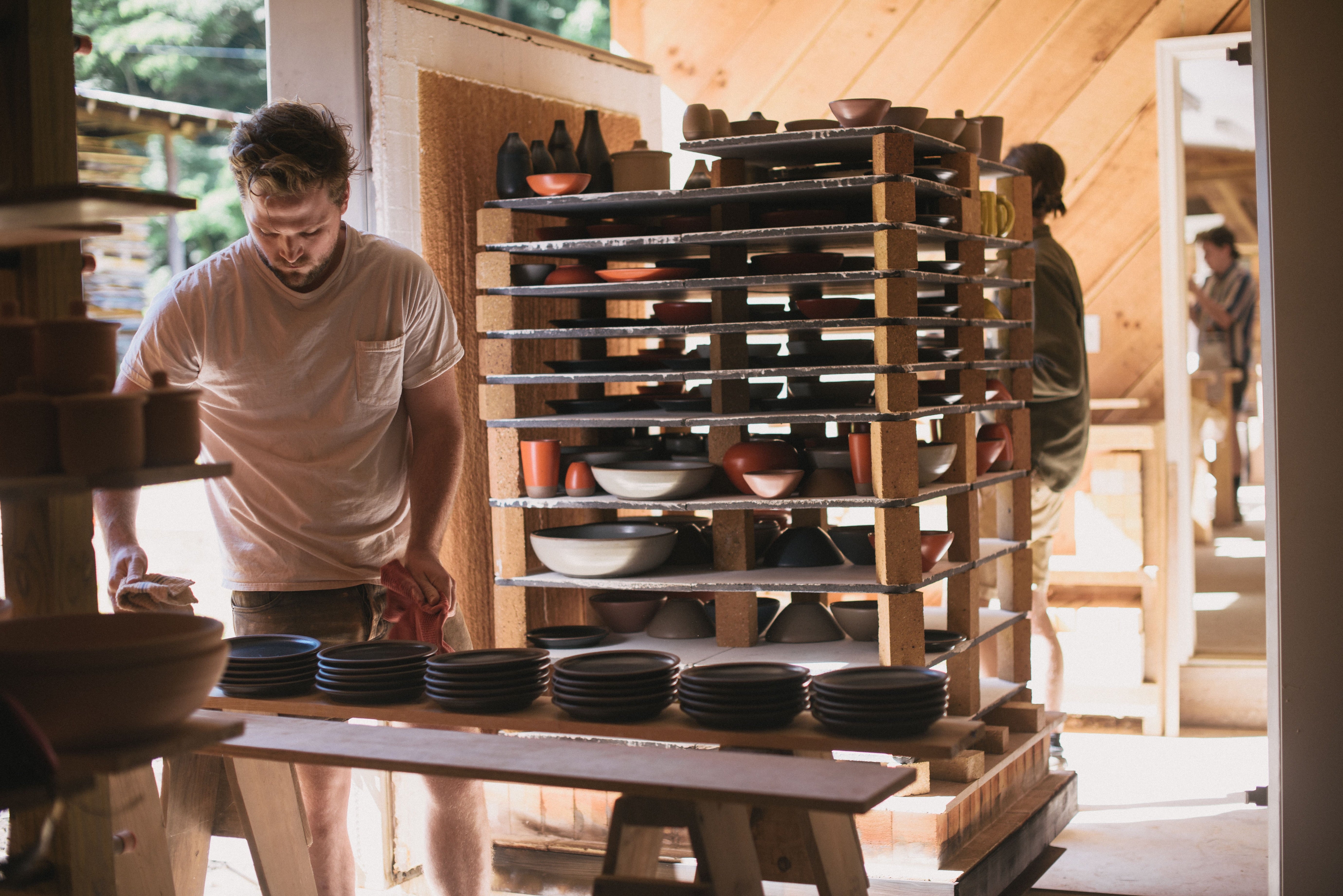
When we finally dialed in our glazes we decided to have a kiln opening. We sent out postcards of the new work to our mailing list, we tidied up the workshops, and on the day of the kiln opening we waited. By the time a line had usually formed there was no one. It wasn’t until 11am that a lone car bumped slowly up the gravel driveway to try and figure out if we had lost our minds completely. Overnight we lost almost every single customer.
Eventually the line took off. We hired a few people, and then a few more, and I realized we needed to figure out some new ways to make things, ways that didn’t require someone spending 2 years of their life to learn to throw.
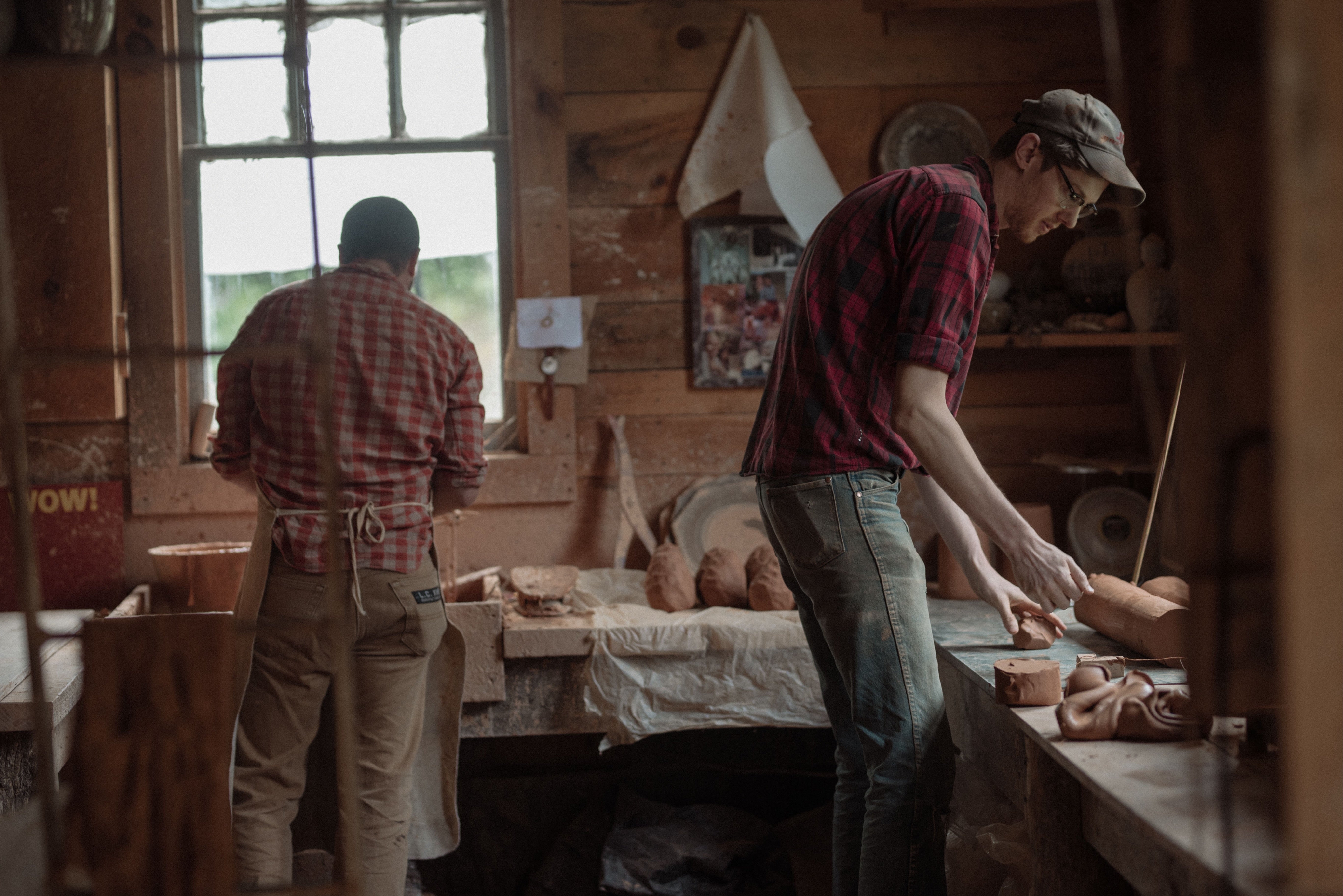
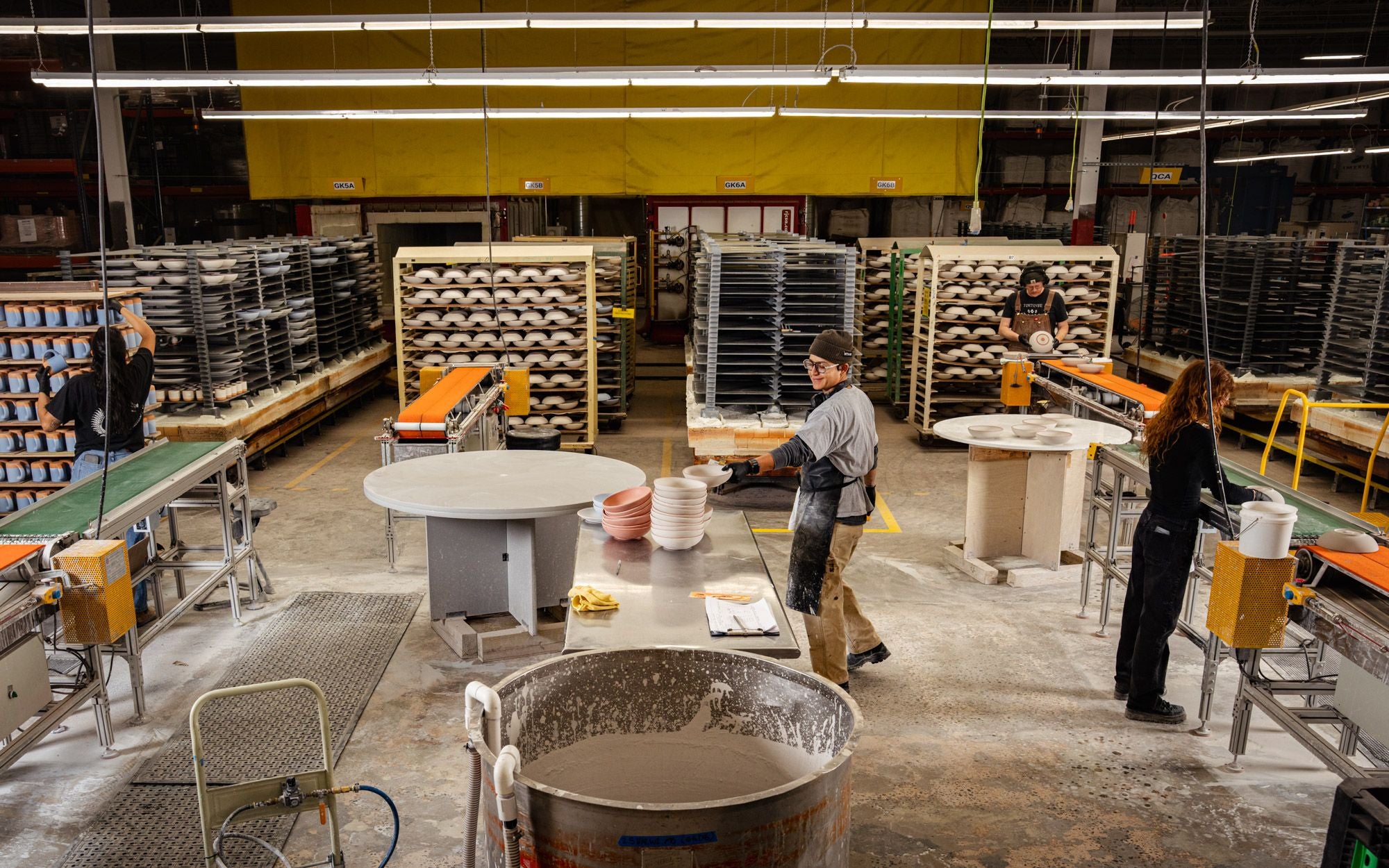
I explored the dusty, dark remains of shuttered factories—tools left at work stations, pots still in molds, like the rapture had happened, and we began to buy old equipment and take ourselves through the industrial revolution in a few short years.
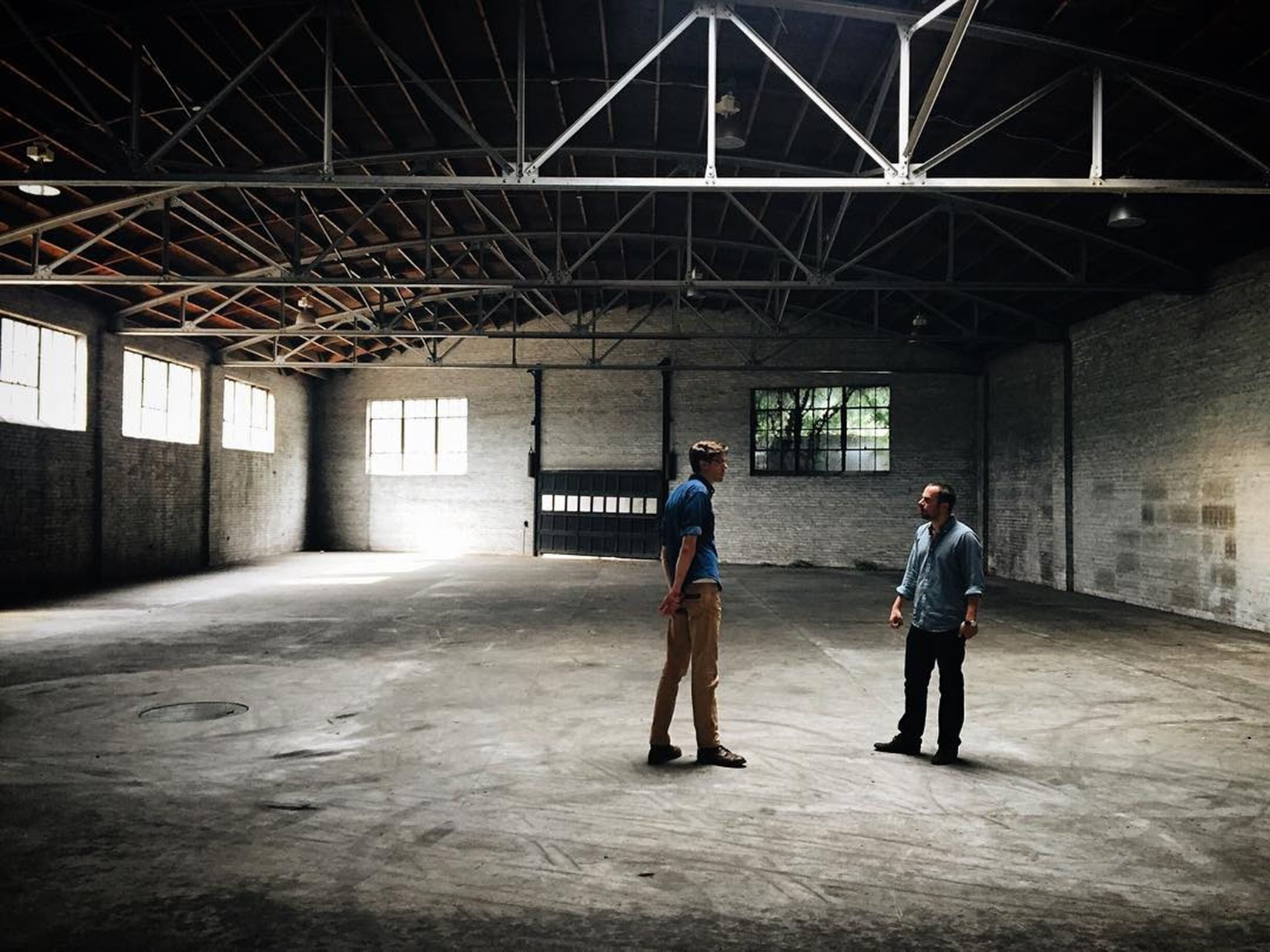
We made a new business plan, raised some money from friends and family, found a building outside of Biltmore Village that seemed cavernous at the time, and began building our first proper factory. We wrote our first mission statement, set of values, and a 10 year vision.
When we founded East Fork we did so with a belief that as we grew so would the impact we could make on our community, our employees, and our customers. It wasn’t perfectly articulated in the beginning, and we’ve made our share of mistakes along the way, but it was a relatively simple belief and served us well. We were artists, craftsmen, activists, and writers—not MBAs. We were never interested in growing a company for the sole purpose of making us money, although we would be reminded many times over the next 10 years that without money there is no mission.
Back at the original site we used to eat lunch under the apple tree behind the old farmhouse, and in the spring it would drop its petals into our bowls and plates. Each day someone would head down from the workshop and cook a hot meal for the team.
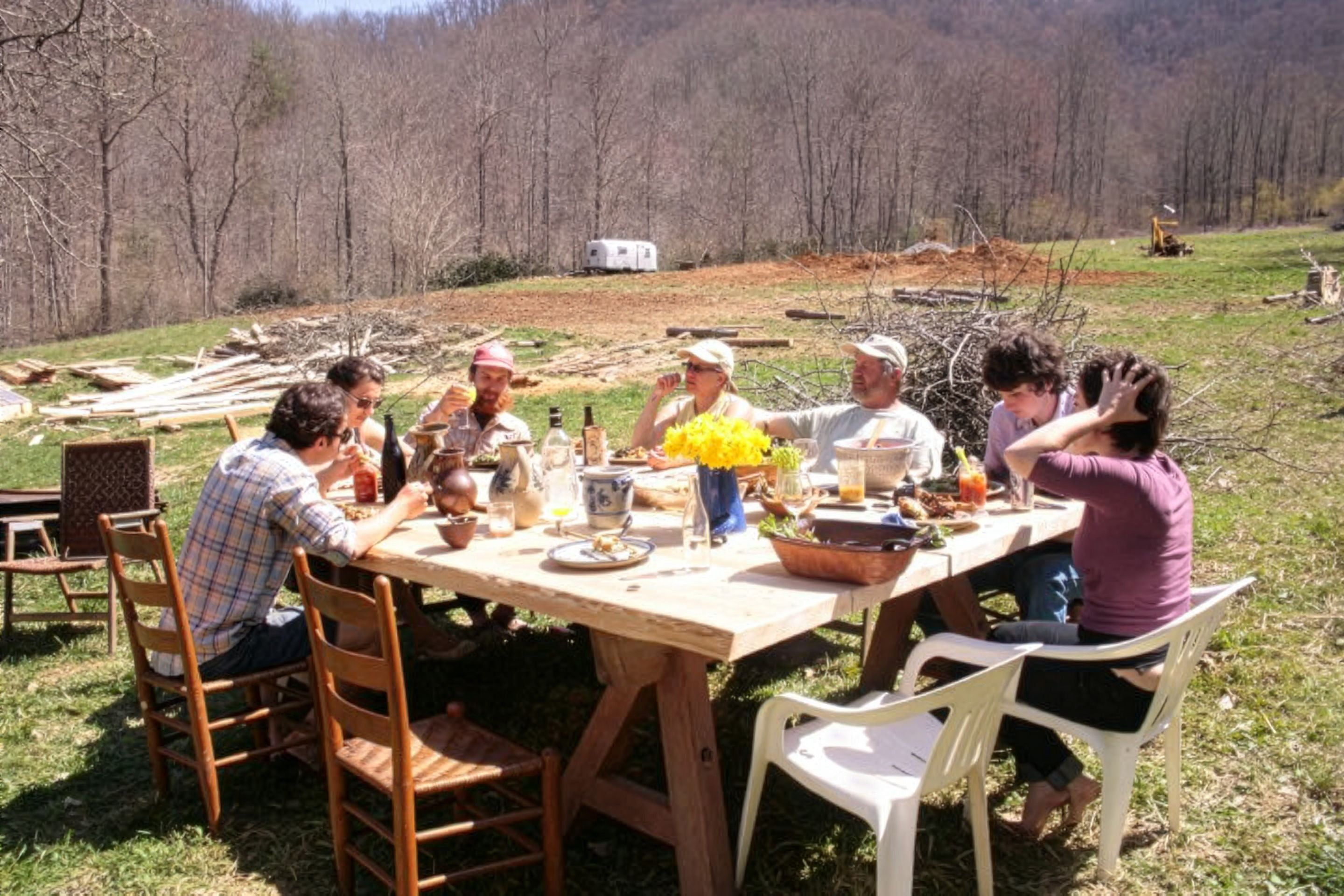
We threw raucous parties for our friends. It felt like such a small thing at the time, such a natural thing—sharing a meal, pausing in the middle of long days to sit together—but looking back, that was the first version of the table we’ve been trying to set ever since.
We wanted to share the thing we loved with the world, but we also thought that in doing so there would be a ripple effect that extended far beyond the pottery itself.
Over the years, that has showed up in more and more concrete ways. When Covid hit we put everything on sale, and made a steadfast commitment to keep our entire team on payroll through the shutdown. In 2022 we raised our minimum starting wage to $22 an hour, because we knew that fair pay is one of the most basic forms of dignity—and we just raised it again to the new living wage for our region.
Over the years we created our community partnership program, raising and donating millions of dollars to social justice causes rooted right here in Western North Carolina.
And when Hurricane Helene ripped through our region, devastating communities all around us, our response was muscle memory, not panic. We reopened the doors to our factory in two weeks, kept everyone on payroll and raised over a half million dollars for local relief efforts in Q4 alone.
And through all of it our customers have been watching, and their commitment to us grows with every crucible moment we move through. It’s been messy and imperfect, but earnest.
At the heart of it all is a simple conviction: that business can be a force for creating a more just, joyful, and equitable world. Through clay, through commerce, through culture, we can set a beautiful and abundant table—one that has room for all.
And that’s the table we’re still building today.